
Listening Hands: Symptoms Are Messages, Not Mistakes
Every patient arrives with an idea of what is causing their symptoms.
Likewise, every healthcare practitioner has learned theories that explain why certain symptoms tend to occur together. While knowledge and experience are invaluable, both approaches begin with the thinking mind.
From an osteopathic perspective, however, symptoms are rarely the problem themselves. More often, they are the body’s best attempt to adapt to an underlying dysfunction. Rather than asking only, “Where does it hurt?” I learned to ask a different question: “Why is the body creating this symptom?“.
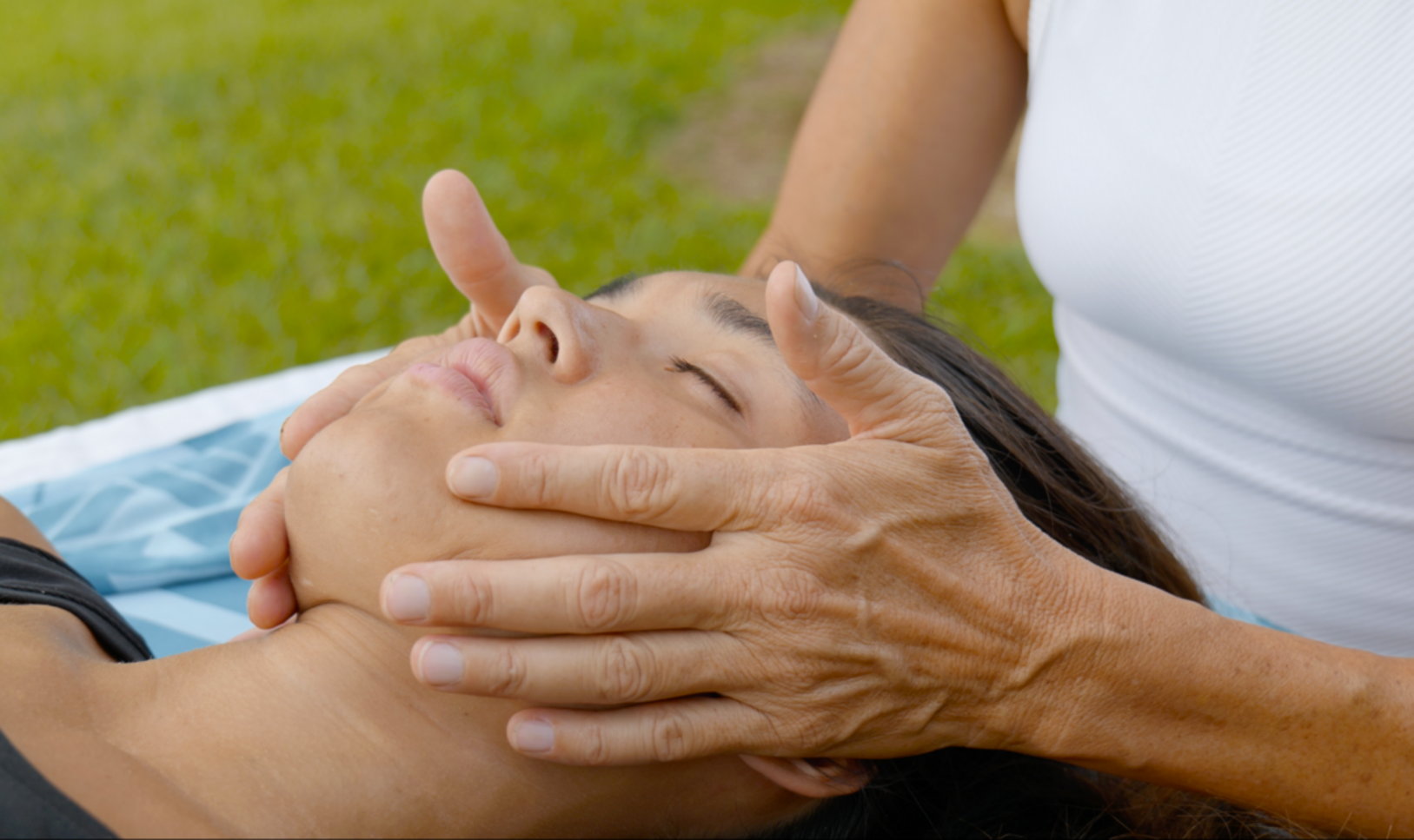
One of the great osteopaths of the last century, Rollin Becker, introduced the concept of Diagnostic Touch. Rather than relying only on intellectual analysis, Becker described the ability to let the hands become “thinking fingers”—hands that quietly listen to the body without preconceived ideas or expectations.
Because the body contains its own story, the task is not to impose an explanation but to listen carefully enough to discover where the body is asking for help.
The body stores every physical injury, emotional trauma, adaptation, and healing response within our tissues. The practitioner simply has to observe what the body has to say. Becker reminded his students that people often forget, but “tissues never lie“.
Last week, a patient came to me with chronic neck pain that had persisted for years. Previous treatments had focused directly on the neck with only temporary relief. During my assessment, the neck itself revealed surprisingly little information. Instead, careful palpation led me to an old restriction in his sacrum at the other end of the spine—the result of a fall more than twenty years ago, which the patient had completely forgotten about. As the sacrum regained its natural mobility, tension throughout the spinal cord gradually decreased, the neck muscles softened, movement returned, and healing finally began. Not because the neck had been treated directly, but because the body no longer needed to compensate for an old unresolved restriction.
Experiences like this are not unusual in my practice. Rather than treating only the area where symptoms appear, I seek to identify the tissues that are actually maintaining the dysfunction. Quite often, these primary restrictions lie far away from the place where pain is experienced.
Unfortunately, the art of therapeutic touch has become less common in modern medicine. Many physicians spend more time looking at computer screens and imaging studies than physically examining their patients. While MRI scans, X-rays, and laboratory tests provide invaluable information, they cannot always reveal the subtle functional changes that occur long before structural damage becomes visible.
The body is continuously communicating. The more deeply we learn to listen, the more precisely we can support its remarkable capacity to heal. In many ways, the hands become less a tool for doing and more an instrument for understanding.
Good palpation is not about searching for what you expect to find. It is about becoming quiet enough for the body to reveal what it already knows.
Developing this level of sensitivity takes years of dedicated practice. Learning to distinguish healthy function from dysfunction by touch is a lifelong journey of refining both perception and presence.
One of my greatest passions is helping people see their bodies in a different way. I want my clients to understand that the nervous system is not working against them but is constantly trying to protect them. Pain, tension, and limitation are often intelligent adaptations rather than mistakes. When we understand why the body has created these patterns, we can begin to work with it instead of against it.
Healing begins when we switch from asking “Where does it hurt?” to “Why is the body holding on to this pattern?” Very often, the answer has been there all along—quietly waiting to be heard through listening hands.



About Surfing, Concussions and Head injuries
A couple days ago, big wave surfer Paige Alms was talking about concussions and brain injuries on th
The Vagus Nerve Mystery
A remarkable case study showing how gentle bodywork resolved decade-long symptoms by restoring Vagus

Where We Meet Ourselves Through Others
Ever feel exhausted by social expectations? Discover how balancing solitude and connection allows yo