The Body Remembers What We Try to Forget
About Emotions and Organs
Across many healing traditions, there is a shared understanding that the human body does not separate physical function from emotional experience. Organs are not just biochemical structures; they are living tissues embedded within our nervous system, continuously influenced by perceptions, emotions, memories, and stress.
My early training as a biologist was firmly rooted in scientific reasoning. I believed only in what could be proven through conventional research. Over time, however, my curiosity led me toward holistic medicine, where I encountered concepts that invited me to expand my understanding and perception of the body. Gradually, I became convinced that the body communicates beyond the purely physical and chemical level.
While I initially struggled with the idea that emotions could directly affect organs, and vice versa, both personal experiences and countless clinical cases in my practice made this connection undeniable.
How Emotions Influence Organs
In Traditional Chinese Medicine (TCM), emotional states are associated with specific organ systems: anger with the liver, grief with the lungs, fear with the kidneys, worry with the spleen, and shock with the heart. Emotions themselves are not the problem; they become disruptive when they stagnate or persist beyond the body’s ability to process them.
Visceral Manipulation and Osteopathy describe the same phenomenon using a more anatomical language. Organs are designed to move and adapt. They do not literally “store” emotions, but overwhelming emotional experiences can alter tissue tone, motility (self-generated movement), circulation, lymphatic flow, and autonomic regulation. Clinically, this may appear as increased tissue density, rigidity, hypersensitivity, or reduced motility, affecting surrounding fascia, nerves, and circulation.
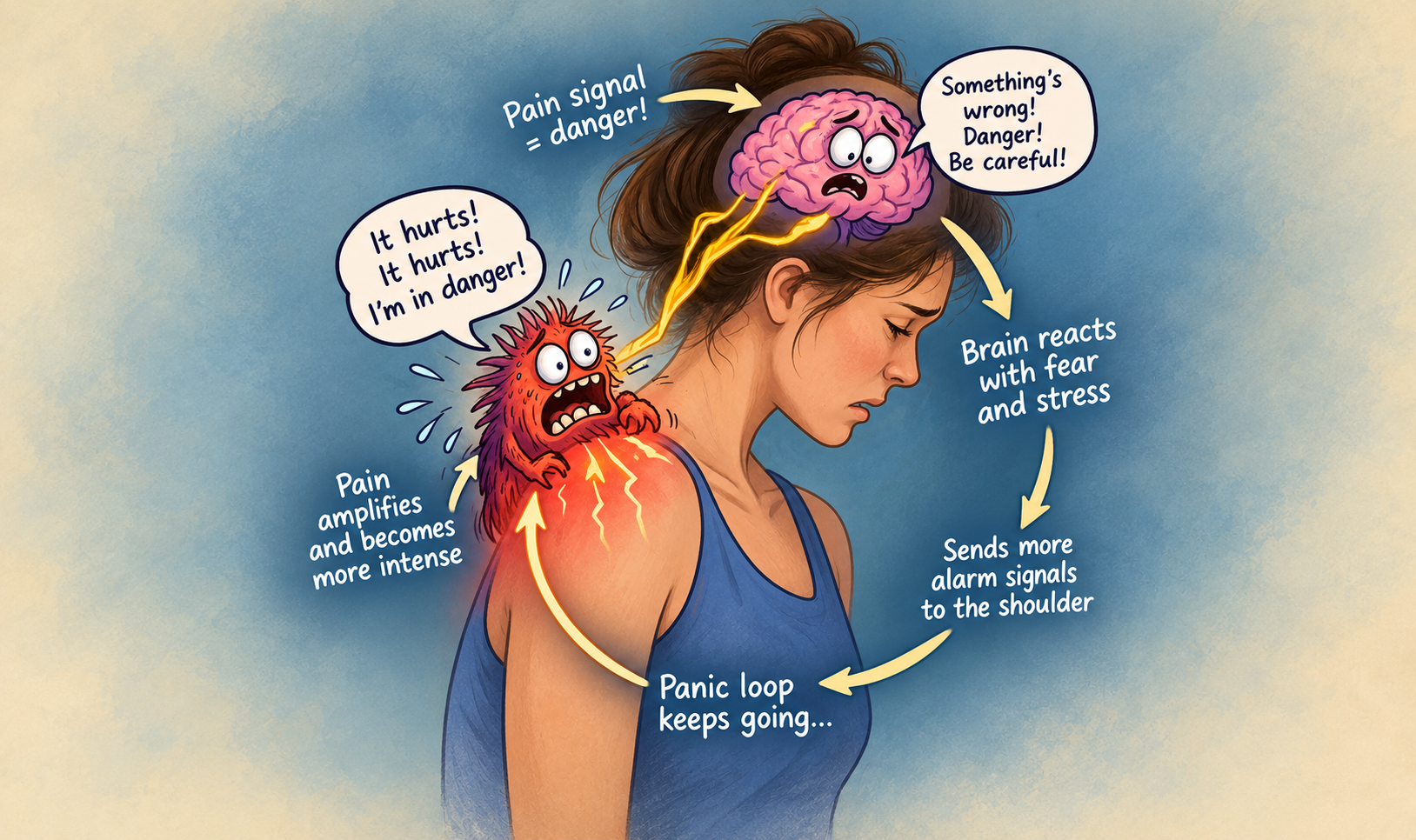
Through the lens of Polyvagal Theory, organs are deeply influenced by the autonomic nervous system. They constantly respond to signals of safety, threat, or overwhelm. Chronic emotional stress can lock the body into states of sympathetic activation or shutdown – disrupting digestion, circulation, immune function, and pain perception.
When emotions are overwhelming, unresolved, or repeatedly experienced over time, they impact our physical wellbeing. Unhealthy, dysfunctional organs on the other hand, can affect our emotional behavior.

Emotions often Appear in the Weakest Organs
Emotional stress frequently manifests in the body’s most vulnerable system. In my own life, a profound emotional shock at age nineteen showed up in my lungs.
My father, age 43, went to see a doctor for a sharp pain sensation in his chest, which he noticed while bending over to pick blueberries on a hike. Despite being a lifelong non-smoker, he was diagnosed with terminal lung cancer. I spent that night in tears and got up the next morning with a severe pneumonia that was confirmed by X-ray and required medical treatment.
The lungs are associated with grief in Chinese Medicine. In addition, my maternal grandmother had tuberculosis, passing a genetic predisposition for lung issues down the family line. I had chronic bronchitis as a child and early signs of asthma. My already vulnerable lungs responded immediately when my mind could not process the immense grief I experienced that night.
In my clinical practice, I have seen sadness express itself through organs other than the lungs. I have worked with cases where grief affected the uterus, the throat, or the digestive system—depending on the individual’s history and vulnerabilities.
Unresolved emotional experiences can continue to influence organ function long after the mind believes the event has passed. They eventually resurface over time as dysfunction, chronic illness, or pain.
A Clinical Example: Excruciating Menstrual Pain
I am currently working with a 36-year-old woman who has suffered from debilitating menstrual pain since the age of nineteen. Her pain spreads throughout the abdomen and lower back and is extremely difficult to manage, sometimes leading to vomiting and loss of consciousness. Despite strong medication, she misses several days of work each month.
A pelvic ultrasound revealed a 5 cm endometrioma in her left lower abdomen, suspected to be the primary cause of her symptoms. This cyst consists of tissue similar to the uterine lining and responds to hormonal fluctuations during the menstrual cycle.
During the visceral assessment, the uterus appeared to be pulled toward the right side. I palpated rigidity at the ileocecal valve, and increased tissue density in the left hemisphere of her brain. The Intuitive assessment pointed toward intense, suppressed anger held within the uterine tissue. This pattern appeared to have originated around the age of fourteen, following a public experience of being yelled at and shamed. She later confirmed a vivid memory of being yelled at and humiliated on a soccer field in front of her friends at that exact age.
As we released this intense emotional charge from the uterus, deeper layers of shame and fear surfaced. By addressing these emotional imprints and treating the uterus and sacrum with holistic osteopathic techniques, her pain dropped with in three sessions from a ten out of ten to a mild discomfort. The cyst – which was not expected to go into spontaneous remission – shrank by more than half—from 4.7 × 2.7 × 4.4 cm to 1.9 × 1.7 × 1.6 cm. We continue working together as her body regains a sense of safety and regulation, allowing the changes to stabilize and become lasting.
Healing Begins with Listening, Not Silencing Symptoms
Healing begins when we listen to the body’s intelligence rather than trying to silence symptoms. Pain and discomfort are not random; they are meaningful signals pointing toward unresolved physical or emotional tension.
When the relationship between emotional life, nervous system regulation, and organ function is honored, the body often reveals a remarkable capacity to soften, adapt, and move toward health. Symptoms frequently begin to shift as soon as we understand the body’s message.
Concussions: More Than Just a Bump on the Head
Concussions are complex injuries that affect the brain, the entire body, and emotional well-being. T
About Surfing, Concussions and Head injuries
A couple days ago, big wave surfer Paige Alms was talking about concussions and brain injuries on th