
Concussions: More Than Just a Bump on the Head

A Deep Dive into Concussion Care and Functional Listening to the Brain

I just returned from an inspiring training with the Barral Institute in Denver, where Gail Wetzler shared the latest research and treatment options for concussion injuries. Concussions aren’t just “head bumps” — even research now clearly shows they are complex injuries that affect the brain, the entire body, and emotional well-being.

The awareness of the seriousness of concussions has grown, particularly following tragic outcomes in children and the struggles of retired NFL players living with long-term effects. Over the past decade, research has advanced significantly, providing new insights into diagnosis, treatment, and long-term recovery. Studies confirm that a concussion can occur even without a loss of consciousness.

Pilot Study: Manual Therapy for Post-Concussion Symptoms in Former NFL Players

In a 2015 pilot study, manual therapists tested craniosacral and visceral techniques on eleven retired professional NFL players. Their main complaints included depression, head and neck pain, memory and learning difficulties, followed by sleep disturbances, fatigue, and anxiety. Each participant received two treatments per day over five days.

All therapists described the participants heads as “feeling like bowling balls” and assessments revealed reduced flexibility in the cranial bones. In every case, fascial restrictions were also found in the thoracic region, while organs such as the heart, lungs, and kidneys showed a loss of viscoelasticity. The therapists identified restrictions in the brain, meninges, and cranial nerves across all participants, confirming that post-concussion syndrome does not manifest solely in the brain but involves the entire body.

Following treatment, participants showed significant improvements in neck range of motion and a reduction in pain originating from the neck area. There was also a marked decrease in headaches and overall body pain. And what impressed me the most, sleep duration increased from an average of less than two hours to over four hours per night, likely contributing to statistically and clinically significant improvements in quality of life. Participants reported feeling less depressed, and their response and reaction times improved measurably.

The results were highly encouraging, suggesting that craniosacral and visceral manual therapy may enhance recovery from concussion. Neurofeedback practitioners have also observed that clients who combine neurofeedback with cranial or osteopathic manual therapy often require only half the usual number of sessions—about 20 instead of 40.

Each Concussion is Unique – But Sleep is the Best Remedy

Today, head injuries are monitored more carefully than ever. Concussion care has evolved from a narrow, symptom-focused approach to a holistic, individualized model. Every injury deserves careful attention and a personalized plan.

Experience shows that the third week after a concussion is often a critical turning point, as inflammation typically begins to decrease at that time. But physical and cognitive problems can also appear later, even after someone seems to have fully recovered from the initial impact. If symptoms persist beyond four weeks, the condition is classified as Persistent Post-Concussion Syndrome (PPCS), which can last for weeks, months, or even years, deeply affecting daily life.

Rest and sleep remain the best medicine for head injuries. In contrary to the old advice to keep people awake after a head injury, it’s no longer considered dangerous to let someone sleep after a concussion. But a randomized controlled trial in 2024 showed that light physical activity — such as walking or cycling — within the first week of the injury can speed up recovery without worsening symptoms.

Your Head Injury Happened Years Ago?

Even if your concussion occurred years ago, it can still influence your body, brain, and overall well-being and even personality. Old injuries may leave behind subtle patterns of tension, protective reflexes, or unbalanced neural pathways that continue to affect movement, focus, and emotional stability.

In September 2025, Nature published a study revealing that repeated head impacts — even without a formal concussion diagnosis — can cause brain damage. These cumulative impacts may contribute to the loss of key neurons in the frontal cortex. A reduced glymphatic drainage from the brain might also increases the risk of long-term issues such as dementia or Alzheimer’s disease.

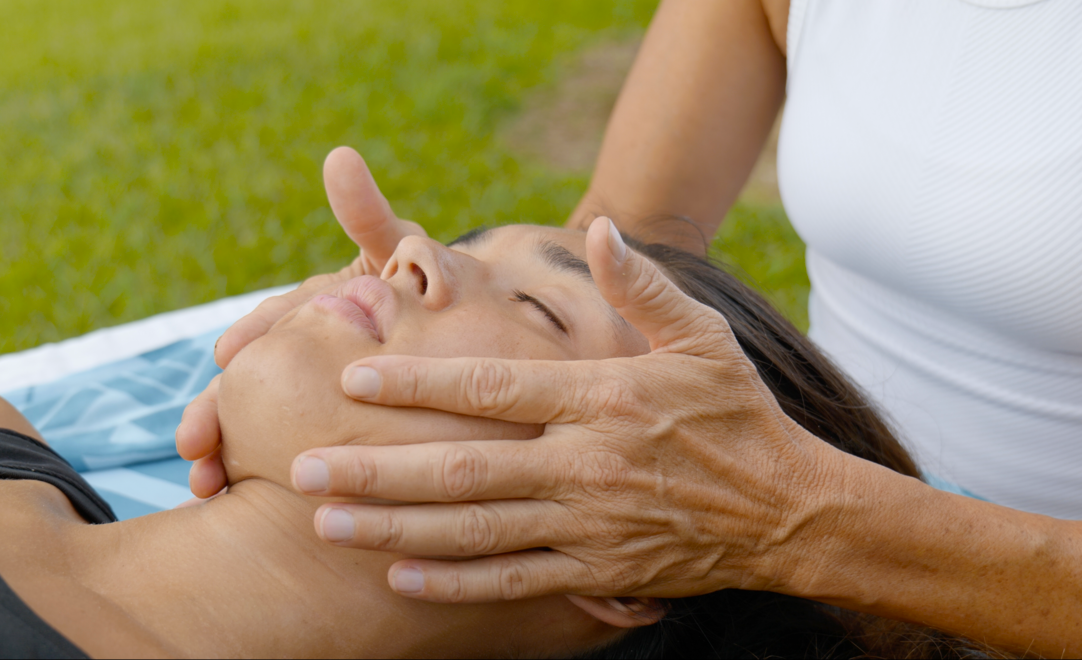
The encouraging truth is that healing remains possible, even years later. Through gentle, precise work, it’s possible to restore movement, release pain and tension, and support the brain’s natural capacity for self-correction. Manual therapy, craniosacral work, and functional listening to the brain help the nervous system reorganize, improve coordination, and restore clarity.

It’s never too late to listen, realign, and restore your inner balance. Your body never forgets — but it’s always willing to heal when given the right kind of support.